Showing posts with label stress. Show all posts

Tuesday, June 5, 2012

PTSD linked to urinary incontinence in female veterans

A new study finds that female veterans with PTSD have a greater level of urinary incontinence than other women their ages.

This is part of a multi-year study into urinary incontinence (UI) in female veterans. The researchers wrote about the reasons for the study when it was launched in 2009: "Urogenital symptoms, including urinary incontinence and frequency, commonly affect women of reproductive age and negatively impact quality of life. Such urinary symptoms are among the top 10 problems reported to primary care providers by women."

From the abstract of this paper:

This cross-sectional study enrolled women 20 to 52 years of age registered at 2 midwestern US Veterans Affairs Medical Centers or outlying clinics within 5 years preceding study interview. Participants completed a computer-assisted telephone interview assessing urogynecologic, medical, and mental health. Multivariable analyses studied independent associations between stress and urgency UI and depression and posttraumatic stress disorder.

Nine hundred sixty-eight women mean aged 38.7 ± 8.7 years were included. Of these, 191 (19.7%) reported urgency/mixed UI and 183 (18.9%) stress UI. Post-traumatic stress disorder (odds ratio, 1.8; 95% confidence interval, 1.0–3.1) but not depression (odds ratio, 1.2; 95% confidence interval, 0.73–2.0) was associated with urgency/mixed UI. Stress UI was not associated with post-traumatic stress disorder or depression.

This research does not yet identify a reason for this increased rate, but the paper calls for additional research "to better understand the complex associations between UI and psychologic symptoms and the neurobiologic basis of urgency UI."

Read more:

PTSD linked to urinary incontinence in female veterans

Thursday, May 3, 2012

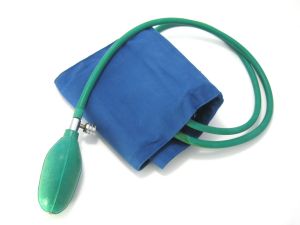
Study suggests blood pressure meds may have benefit for PTSD symptoms

Common blood pressure medications called ACE (angiotensin converting enzyme) inhibitors or ARBs (angiotensin receptor blockers) could -- potentially -- have some benefit in treating PTSD, according to a new study.

This is just the first stage of testing these medications for PTSD, though. It was not a clinical trial, so take this news with a grain of salt. (Unless you're on salt restrictions because of high blood pressure.)


As for this study, the authors took a population sample of 5,000 low-income people in Atlanta, 505 of whom had been exposed to some traumatic event. Of those 505 people, 180 met the criteria for PTSD. Out of the total sample of 5,000 people, 98 were taking ACEs or ARBs, 26 of whom had PTSD. Those 26 people reported having fewer PTSD-related symptoms, including hyperarousal, avoidance/numbing, and intrusive thoughts.

Further study will be required.

While it's waaaaay too early to say that taking these medications can reduce PTSD symptoms, it's probably worth noting that it's important to check your blood pressure. Stress and anxiety can raise blood pressure levels, which can have further health effects.

Read more:

Can Blood Pressure Meds Lessen PTSD Symptoms? | Psych Central News


Wednesday, March 21, 2012

New study: Just 60 seconds of combat impairs memory

Just 60 seconds of all-out physical exertion in a threatening situation can seriously damage the memories of those involved for many details of the incident, according to a new study of police officers.

Police officers, witnesses and victims of crime suffer loss of memory, recognition and awareness of their environment if they have had to use bursts of physical energy in a combative encounter, according to scientists.

Researchers, led by Dr Lorraine Hope of the University of Portsmouth, found that less than 60 seconds of all-out exertion, as might happen when an officer is forced to chase-down a fleeing suspect or engage in a physical battle with a resistant criminal, can seriously impair their ability to remember details of the incident – or even identify the person who was involved. Even officers in top condition are not immune to the rapid drain of physical prowess and cognitive faculties resulting from sustained hand-to-hand combat.

The findings, published in Psychological Science, a journal of the Association for Psychological Science, are a stark warning to police officers, police chiefs and the courts, according to Dr Hope, a Reader in applied cognitive psychology of the university's Department of Psychology.

She said: "Police officers are often expected to remember in detail who said what and how many blows were received or given in the midst of physical struggle or shortly afterwards. The results of our tests indicate it may be very difficult for them to do this.

"As exhaustion takes over, cognitive resources tend to diminish. The ability to fully shift attention is inhibited, so even potentially relevant information might not be attended to. Ultimately, memory is determined by what we can process and attend to.

"The legal system puts a great deal of emphasis on witness accounts, particularly those of professional witnesses like police officers. Investigators and courts need to understand that an officer who cannot provide details about an encounter where physical exertion has played a role is not necessarily being deceptive or uncooperative. An officer's memory errors or omissions after an intense physical struggle should not unjustly affect his or her credibility."

The research, conducted on police officers in Winnipeg, Canada was coordinated and funded by the Force Science Institute. The research team in Canada included Dr Lorraine Hope (University of Portsmouth), Dr Bill Lewinski (Force Science Institute) and specialists from the Metropolitan Police in the UK.

Researchers recruited 52 officer volunteers (42 males, 10 females), with an average of eight years on the job. All officers were fit and healthy and engaged in regular exercise.

During an initial briefing, the officers were given background information about a recent spate of armed robberies in the city. The briefing included details of how the robberies were conducted and witness descriptions of the perpetrators. Half of the officers then engaged in a full-force physical attack on a 300lb hanging water bag and the others (a control group) were assigned as observers. Officers selected their own "assault movements" on the bag attack — punches, kicks, and/or palm, elbow, and knee strikes—and were verbally encouraged by a trainer during the task. They continued the assault on the bag until they no longer had strength to keep going or until they were breathless and struggling to continue.

The next part of the test required the officers to approach a trailer that a "known criminal" was suspected of occupying. On entering the trailer, the officer found themselves in a realistic living area where a number of weapons, including an M16 carbine, a revolver, a sawn-off shotgun and a large kitchen knife were visible. After a short delay, the "target individual" emerged from another room and shouted aggressively at the officer to get out of his property. The individual was not armed, but several of the weapons were within easy reach.

Dr Hope found those who had been asked to exert themselves physically remembered less about the target individual and made more recall errors compared to the control group of observers. The officers who had been exerted also recalled less about the initial briefing information and what they did report was less accurate. Officers who had been exerted also reported less about an individual they encountered incidentally while en route to the trailer. While more than 90 per cent of non-exerted observers were able to recall at least one descriptive item about him, barely one-third of exerted officers remembered seeing him at all.

Everyone remembered seeing the angry suspect in the trailer, but non-exerted observers provided a significantly more detailed description of him and made half as many errors in recall as those who were exhausted. These observers were also twice as likely to correctly identify the suspect from a line-up.

However, another striking aspect of the findings showed that exerted officers were able to register threat cues in the environment to the same degree at non-exerted officers.

These new findings reveal that although exerted officers were able to pay attention to the threatening aspects of the scene, their ability to then process other aspects of the interaction was affected. As a result of this, some information may only have been processed weakly or not at all – resulting in an impaired memory for many details of the encounter.


A PDF of the paper can be found here. 

Thursday, November 10, 2011

PTSD passed on from one generation to the next

Writing for Indian Country Today Media Network, Beverly Cook (Wolf Clan Mohawk) discusses how acts of genocide perpetrated upon Native Americans has passed "toxic stress" down the line from one generation to the next and how the evils of the past continue to hurt the people of today:

Toxic stress experienced by children can alter their brain, their genes and organ development if they do not have the caring support of an adult. So a young girl’s childhood experiences, her health and her diet will not only effect the outcome of her future pregnancies but also can effect her future grandchildren. She is not alone in this as the genes that come from the father have also been imprinted by his childhood and his environment in his mother’s womb. Combined, the mother and father lay the groundwork for their baby to grow and still the actual outcome can change depending on the environment in the womb. Imagine no worries or concerns, having nutritious food, adequate exercise, a loving partner, happiness and peace. The baby would form itself based on that particular environment as opposed to an environment laced with anger, fear, frustration or grief.

Read more here:

The Toxic Effects of Stress on American Indians

Tuesday, July 12, 2011

Cyber-stalking can cause PTSD

A new study entitled "Cyberstalking in the United Kingdom" finds that the trauma of being victimized online can lead to PTSD:

"The results indicate that the prevalence of PTSD following cyber-stalking exceeds the occurrence in a general population following trauma and is comparable to other extreme specific traumatic events such as sexual assault and combat ... the victims' reactions are of a negative nature and include fear, stress, anxiety, as well as an erosion of trust in the self and other people."

The Register has a brief article about the report here: 'Being cyber-stalked is as bad as being raped, or in a war'

Friday, June 10, 2011

Fishing: A Welcome Escape from PTSD

Fishing can offer a quiet, relaxed, comfortable way to get out in nature (and maybe back into some of your old routines) without encountering crowds of people, Michigan's Midland Daily News reports (scroll down the sidebar).

Tuesday, December 21, 2010

Rutgers Researchers Find Key to Gender Differences in Processing Stress

Women are more sensitive to stress, and therefore more likely to suffer from depression or PTSD, because of slight differences in male and female brains, according to new research.

From a recent Rutgers University press release:

Tracey Shors, a professor of psychology in Rutgers School of Arts and Sciences, has uncovered a clue to why men and women handle stress so differently in the brains of male and female rats.

The research, published Dec. 1 in the Journal of Neuroscience, has implications for the way stress-related disorders are treated in men and women.

Shors and her co-authors, graduate student Lisa Maeng and post-doctoral scholar Jaylyn Waddell, examined two brain regions important in learning and stress, the amygdala and the prefrontal cortex. The amygdala, a small almond-shaped structure located deep within the brain, senses stressful situations. The prefrontal cortex, in the front of the brain, is necessary for higher cognitive functions.

“These two structures are intimately connected to one another,” Shors said. “Therefore, we examined whether they communicate with one another to influence learning after stress.”

The researchers exposed male and female rats to stress, and then presented them with an associative learning task. During training, the rats learned to associate one event with another that occurred later in time. They played a tone and later stimulated the rats’ eyelids to elicit a blink.  After the stimulus was taken away, most of the male rats responded to the tone by blinking on their own. Most of the females, however, did not blink in response to the tone, indicating that they had failed to learn that association. But the research also contained a neurological surprise for Shors, Maeng and Waddell.

When Shors and her colleagues disrupted the connections between the prefrontal cortex and the amygdala in some of the females, those females were able to learn the association.

“This wasn’t true for males," Shors said. "So, males and females are using different brain structures to learn after stress. In other words, females can learn after stress if the prefrontal cortex can’t ‘talk’ to the amygdala. From this, we conclude that males and females can use different brain circuits to learn after stressful life events.”

Read more here

Monday, December 20, 2010

Research: Stress (and its damage) Can Be Passed on Genetically

According to new research, some of the effects of PTSD could possibly be passed on to your offspring, or even make your children more likely to develop PTSD if they encounter their own traumatic events. 

A study of Holocaust survivors found that their children were more susceptible to PTSD because the bodies of both parents and children generated lower levels of cortisol, a hormone that helps shut down the stress response.

The Independent has much more on this research in a recent article:

Stressed out? It could be in your genes

Thursday, December 16, 2010

Aromatherapy, Yoga & PTSD

In addition to therapy and medications, there are numerous things people can do to help ease the symptoms from their PTSD. Learning to relax is vitally important, and two ways to help you relax are yoga and aromatherapy.

Over at the site SelfGrowth.com, certified aromatherapist Robin Barnette offers a few ideas on using aromatherapy to relax and reduce anxiety.

Smell has been said to be a tremendous gateway to memory and the right aromas really can help you get to a good place in your head. Check out here recommendations here.

How have aromatherapy, yoga or other techniques helped you? Feel free to share them in the comments.

Thursday, December 2, 2010

Study: Crohn's Disease May Cause PTSD

I have a few friends with Crohn's disease -- the often-disabling inflammable bowel disorder --  so a new study really struck me.

The study followed 600 people in Switzerland with Crohn's disease for 18 months. A full 19% of these people were found to have the criteria for PTSD. And those people with both Crohn's and PTSD had the worst of both worlds -- they were 13 times more likely to have had their Crohn's symptoms get worse in that 18-month period, possibly due to hormonal and immune system responses.

Crohn's causes severe pain and constant diarrhea, leaving patients with a constant state of panic about their pending symptoms. This never-ending stress is what can trigger PTSD in some patients.

The doctors behind the study, which appeared Dec. 2 in the journal Frontline Gastroenterology, say that Crohn's can not be cured, but PTSD can -- not necessarily true, but it is more treatable -- so treating the two conditions together could help reduce the symptoms from Crohn's disease.

Read more here:

Study Suggests Link Between Crohn's Disease and PTSD

Monday, November 29, 2010

Managing Your Post-Holiday Stress

Psychology Today has a great new article about managing your holiday-induced stress: PTSD: Post-Thanksgiving Stress Disorder?

Here's a good quote from the beginning of the article:

"But time alone will not put the past behind you. Without realizing it, you may be holding onto your pain -- and often re-create it in the present -- in a misguided attempt to protect yourself from further trauma."

This is all less about PTSD than the general trauma caused by our every-day lives, but it's still worth a read.

Wednesday, November 24, 2010

Tips on Coping with Holiday Stress

The start of the big holiday season is upon us -- a cause for stress for people with PTSD (not to mention just about everyone else). How do you handle it? Fearless Nation founder Colleen Crary has come up with some great tips for dealing with the holidays. Read, enjoy, and take care of yourself.

Friday, November 19, 2010

PTSD linked to hardened arteries, heart disease, death

Stress kills, and post-traumatic stress disorder is no exception.

According to research presented earlier this week at the annual meeting of the American Heart Association, men and women with PTSD have more calcium buildup in their arteries than people without PTSD. According to a report from CNN's Health.com, "Calcium buildup is a hallmark of atherosclerosis (also known as hardening of the arteries), which can lead to heart attacks."

The veterans who did have this calcium buildup were "48 percent more likely to die of any cause during the study and 41 percent more likely to die from heart disease compared to those without PTSD," the study found.

The study was conducted on 637 veterans, and was part of a broader 10-year study that examined 286,000 mostly male vets from conflicts dating as far back as the Korean War. It did not look at non-veterans who might also have been suffering from PTSD.

What causes this calcium buildup? That's still unclear, but the scientists behind the new study said stress could be one factor. Another factor could be not getting enough exercise or other "unhealthy behaviors."

As a conference presentation, this study has not yet been peer-reviewed.

Tuesday, August 31, 2010

Can lowering your blood pressure reduce your nightmares?

Many people with PTSD suffer from nightmares. In fact, it's one of the most common effects of PTSD.

One of the other common side effects of PTSD is high blood pressure, caused in part by the body's constant state of stress and production of adrenalin. Nightmares and sleeplessness don't help, and can make your blood pressure even higher.

But can tackling high blood pressure first help reduce the amount of nightmares you have, and in turn further help lower your blood pressure?

According to this new article at the Huffington Post -- Nightmares In PTSD: Don't Get Your Blood Pressure Up -- the answer could be yes.


The high blood pressure medicine, prazosin, dampens adrenalin's effect on the heart and blood vessels by blocking receptors for the hormone. This old medicine has become the newest approach to treating PTSD. Studies are still underway, but the data thus far show that 75 to 8- percent of PTSD patients who try prazosin stop having nightmares and sleep through the night with normal dreams.

The article is based on research published last year in the journal Progress in Neuro-Psychopharmacology and Biological Psychiatry.

Click through the link above to read more.

Saturday, August 28, 2010

How children react to parents with PTSD

One family member's PTSD can have terrible effects on the rest of the family, especially when it's a parent suffering.

According to an article from the National Center for PTSD, the symptoms of PTSD "can be frightening not only for the individual experiencing them but also for the children who witness them."

Children often react to PTSD in three common ways: by behaving like their PTSDer parent (the "over-identified child"); by trying to fill the adult's normal role in the family (the "rescuer child"); or by becoming emotionally uninvolved.

All of these responses can pose problems for a child later in life. And in fact, the children can, themselves, develop their own cases of PTSD, a condition known as "intergenerational transmission of trauma."

But that doesn't mean the situation is hopeless for families. According to the article, simply explaining to a child why a parent has been traumatized (without going in graphic detail) can go a long way toward alleviating the stress a child feels.

Treatment/therapy as a family is also often a valuable asset and tool.

If anyone in your family is suffering from PTSD, this article by Jennifer L. Price, PhD, is essential reading:

When a Child's Parent Has PTSD - National Center for PTSD

Bend, Don't Break

How do you build resilience to anxiety and trauma? Optimism is one key element of what it takes to survive, according to Dr. Dennis S. Charney, dean of Academic and Scientific Affairs at Mount Sinai School of Medicine, who has spent the last 20-plus years studying PTSD, stress and human resiliency.

Read more about his work here:

Psychiatry Weekly: Bending, not Breaking: A Prescription for Resilience to Anxiety